
Civil Site Plan Basics for Property Owners is not just a technical topic. For property owners, developers, and entrepreneurs planning a build, it can shape the budget, the schedule, and the confidence of everyone involved in the site. A good process helps the team understand grading, drainage, utilities, access, paving, and code coordination before decisions get expensive.
Saga Infrastructure works around the civil infrastructure world where survey, site prep, utilities, grading, drainage, and local execution all have to come together. This guide keeps the explanation practical so owners, builders, and development teams can ask better questions before the job gets moving. For more field-focused education, the Saga Infrastructure blog is a useful next stop.
What Makes This Important
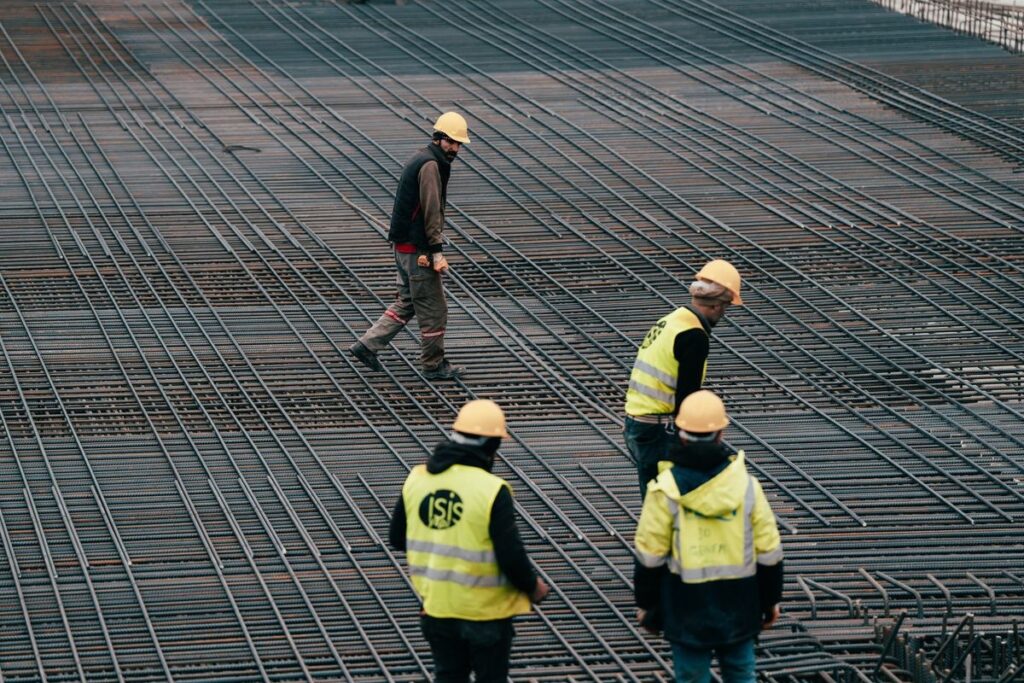
Good civil work starts with clear information. When the early facts are vague, the field team is forced to interpret around gaps. That is where avoidable rework, schedule slippage, and budget pressure often begin.
- It turns civil site plan from an abstract term into a field decision that affects cost, schedule, and risk.
- It helps property owners, developers, and entrepreneurs planning a build ask sharper questions before crews, equipment, or capital are committed.
- It clarifies grading, drainage, utilities, access, paving, and code coordination, which is where many avoidable delays begin.
- It gives owners a practical way to compare bids without choosing only on price.
- It supports cleaner handoffs between surveyors, engineers, contractors, inspectors, and investors.
Teams working through survey and site questions may also find this related Saga resource helpful: practical civil infrastructure guidance. It explains how early records and field conditions influence downstream decisions.
Common Structure
A practical civil site plan scope should make the job easier to price, schedule, and manage. The exact structure depends on the project, but most teams should clarify these items before moving forward.
| Part of the Scope | Why It Matters | Practical Question to Ask |
|---|---|---|
| Scope | What the civil site plan work is expected to include | Ask for the deliverable, limits, exclusions, and assumptions in writing. |
| Existing records | Deeds, plats, civil plans, title documents, maps, or prior surveys | Confirm whether old records are complete, current, and consistent with field conditions. |
| Field conditions | Slope, vegetation, access, utilities, drainage, traffic, or occupied property | Walk the site early so the proposal reflects real access and safety constraints. |
| Coordination | Who needs the information and when they need it | Tie the schedule to design, permitting, staking, inspection, or closeout milestones. |
| Risk review | Items that could change budget or construction feasibility | Flag conflicts before they become change orders, rework, or closing issues. |
For a broader look at how site work can affect the budget, review Saga’s guide on site prep cost drivers. The numbers will always depend on the property, but the cost logic is useful.
How the Work Typically Flows
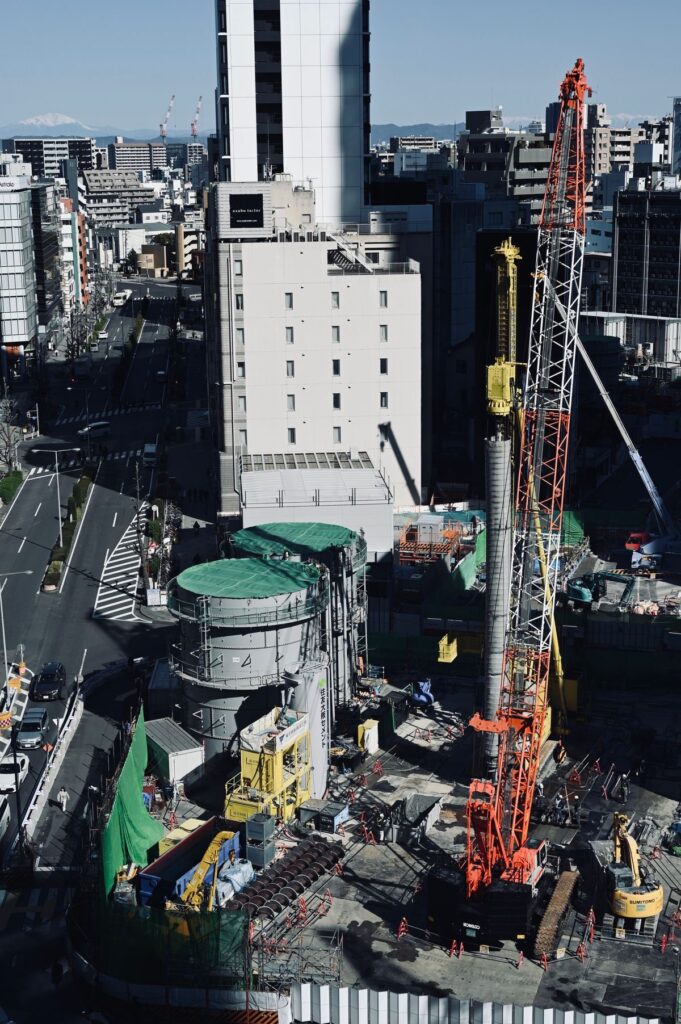
The best process is usually simple, but it needs discipline. The owner, surveyor, engineer, contractor, and any development or title stakeholders should understand what is being ordered and why.
- Start with the business question: buying, building, permitting, financing, resolving a dispute, or closing out a job.
- Collect the available records, including title documents, plats, civil plans, prior survey files, utility information, and site photos.
- Walk the site so access, terrain, safety, drainage, and visible improvements are not treated as afterthoughts.
- Set a scope that names the deliverable, the intended use, the schedule, and the parties relying on the work.
- Review the results with the people who will act on them, then document open issues before crews mobilize or capital is committed.
For utility-sensitive projects, pair this process with safe excavation planning and the public guidance from Call 811. When subsurface risk is part of the job, Saga’s overview of subsurface utility engineering is also a strong related resource.
Common Mistakes to Avoid
Most mistakes are not dramatic. They are usually small assumptions that travel too far into the project before anyone challenges them.
- Ordering the cheapest civil site plan scope without confirming what is excluded.
- Waiting until the contractor is mobilized to resolve survey, access, or utility questions.
- Assuming old plans match current field conditions.
- Not sharing title, civil, or utility documents with the survey or site team.
- Treating drainage, easements, or existing utilities as small details instead of major project constraints.
Those mistakes are easier to avoid when the team has clear communication and local field knowledge. Saga’s post on common land surveying myths is a helpful reminder that visible conditions do not always tell the full legal or technical story.
Frequently Asked Questions
When should I order work related to civil site plan?
Order it before major design, closing, or mobilization decisions depend on the site. The right timing depends on the property, but early review usually gives the team more options and fewer rushed fixes.
Who should review the civil site plan results?
The owner should review them with the surveyor, engineer, contractor, and any title, lending, or development advisors involved in the project. Each party sees a different kind of risk.
What makes civil site plan more complicated?
Complex records, tight access, heavy vegetation, old improvements, unclear easements, difficult drainage, and conflicting field evidence can all add complexity.
Can civil site plan prevent every problem?
No. It can reduce uncertainty and make problems visible earlier, but field conditions, permitting comments, weather, and design changes can still affect the job.
The Bottom Line
Civil Site Plan Basics for Property Owners comes down to risk clarity. The goal is not to make the project complicated. The goal is to see the important facts early enough to make better decisions.
For owners and developers, that means fewer surprises. For contractors, it means cleaner mobilization and fewer field conflicts. For infrastructure businesses, it reflects the kind of disciplined execution that supports long-term value. Saga Infrastructure focuses on protecting strong local operators while helping them grow with better systems, capital, and continuity.
Related Reading