
Hire the Best Land Grading Companies Near You
Why Finding the Right Land Grading Contractors Near Me Matters
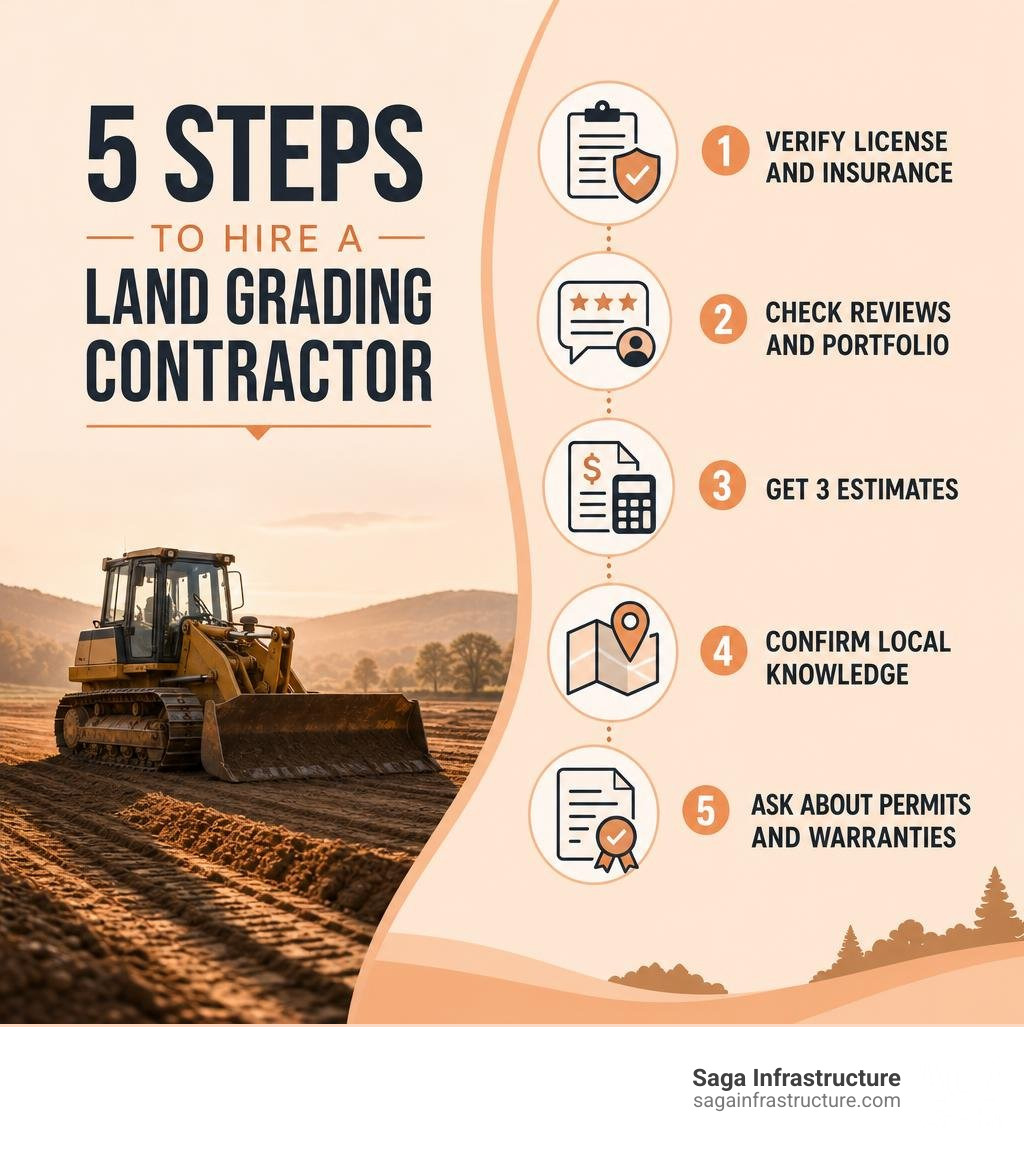
If you are looking for land grading contractors near me, here is a quick way to start:
- Find local workers who have a license, insurance, and good reviews.
- Ask to see photos of their past work and talk to their past clients.
- Get at least three price quotes in writing before you choose.
- Make sure they know your local soil, rules, and permits.
- Ask about their schedule, warranties, and how they fix water flow.
A bumpy yard or bad water drainage is a big problem. It can ruin your house. Water can pool by your walls, wash away your dirt, and cost a lot of money to fix. A good grading job stops these problems before they start.
Most people pay between $1,216 and $4,356 to level a yard. But fixing a ruined foundation or a flooded yard costs much more. Choosing a great contractor keeps your project simple and safe.
This guide will help you. It explains what grading workers do, how to choose the best team, what it costs, and what to ask before they start.
I am Don Larsen, the head of Saga Infrastructure. We partner with great local construction teams across the country. I know what makes a grading contractor great, and I want to share that with you.
Useful links to learn more:
How to Choose the Best Land Grading Contractors Near Me

When you look for land grading contractors near me, you are not just hiring someone to move dirt. You are hiring a pro to shape the ground under your home. Whether you live in Florida, Arizona, or Texas, you need the right team.
First, make sure the contractor has these important things:
- A State License: This proves they know how to do the work safely and legally.
- Liability Insurance: This pays for repairs if they accidentally break a fence or a pipe.
- Worker’s Comp: This protects you if a worker gets hurt on your property.
- Knowledge of Local Rules: They must know how to move water without flooding your neighbor’s yard.
To see how grading fits into building a home, read The 5 Best Site Preparation Contractors Compared.
Key Qualifications to Look For
Moving dirt is a hard skill to learn. Look for these things when you hire a team:
- Lots of Experience: Look for companies that have worked in your area for many years.
- A Photo Portfolio: Ask to see pictures of their past jobs. A good yard leveling contractor will be happy to show you.
- Good Reviews: Read online reviews to see if they show up on time and do a good job.
- A Written Warranty: Ask if they will come back to fix the dirt if it sinks later.
For more tips on preparing your yard, read Leveling Up Your Landscape Without the Heavy Lifting.
Local Factors and Regional Soil Considerations
Different places have different types of dirt. Your contractor must know how to handle your local soil:
- Florida: The soil here is very sandy. Sand drains fast but washes away easily. Workers must plant grass or sod quickly to keep the sand in place.
- Texas: Many areas have clay soil. Clay swells up when wet and shrinks when dry. This can crack home foundations. Workers must shape the land carefully to keep water away.
- Arizona: The ground here is dry and hard. It often has a rock-like layer called caliche. Workers must use heavy machines to break through it.
Knowing your soil is a big part of site prep. Learn more by reading Why Site Prep for House Construction Is Your Most Important Step.
Core Services and Grading Types Explained
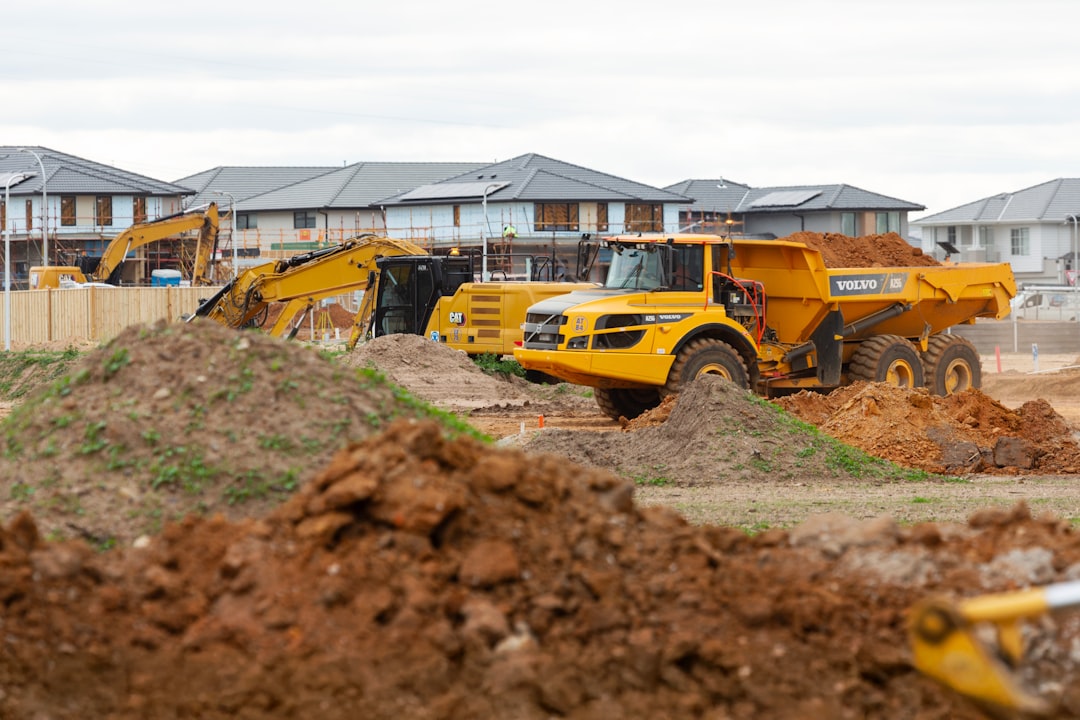
Professional land grading contractors near me do many different jobs. They do not just flatten lawns. They prepare land for building, fix water flow, and stop soil from washing away.
To learn the basics, read The Straight Dirt on Land Grading and Leveling.
What Services Do Land Grading Contractors Near Me Offer?
A professional grading team can help you with these tasks:
- Clearing Land: Removing trees, bushes, and plants to make a clean space.
- Stump Grinding: Chewing up tree stumps and roots so they do not rot and leave holes later.
- Driveway Grading: Making a smooth, hard base for gravel, asphalt, or concrete. Read more in From Dirt to Driveway: Mastering Grading and Paving.
- Building Pads: Making a flat, hard dirt pad for a new home or shed.
- Erosion Control: Building dirt mounds and ditches to stop rain from washing your soil away.
Rough Grading vs. Fine Grading vs. Resloping
Grading has different steps. Your contractor will use different tools for each step:
| Grading Type | What It Does | Common Equipment Used | When You Need It |
|---|---|---|---|
| Rough Grading | Moves lots of dirt to shape the land. | Bulldozers, large excavators | Starting a new build or reshaping a big yard |
| Fine Grading | Makes the top layer of dirt smooth and removes rocks. | Skid steers, laser levels | Preparing for grass seed, sod, or concrete |
| Resloping | Changes the angle of a hill to guide water away. | Small excavators, skid steers | Fixing wet yards and stopping basement floods |
Understanding Land Grading and Yard Leveling Costs
Before you call land grading contractors near me, it helps to know how they price their work.
To see a full breakdown of prices, read How Much Does Land Grading Cost?.
Key Cost Factors and National Averages
Most yard grading projects cost between $1,216 and $4,356. Your price will depend on these things:
- Yard Size: Big yards cost more to grade than small yards.
- Slope: Steep hills take more time and work to level.
- Access: If gates or trees block big machines, workers must use smaller tools. This takes longer and costs more.
- Extra Dirt: If you have low spots, you must pay to bring in extra dirt.
- Clearing Trees: Clearing trees and brush on a large lot can cost $6,000 per acre or more.
To learn more about these early costs, read How Much Does Site Prep Really Cost?. If you live in Texas, you can check Thumbtack’s Houston Grading Contractors to compare local prices.
DIY vs. Professional Land Grading
It might seem easy to rent a machine and grade your own yard. But doing it yourself can cause big problems:
- Danger: Driving heavy machines on hills is dangerous if you do not have training.
- Water Mistakes: If you slope the dirt toward your house by mistake, you can flood your basement. This costs a lot of money to fix.
- Hidden Pipes: If you dig without checking, you could hit gas, water, or power lines.
- Rental Costs: Renting machines and buying dirt can cost almost as much as hiring a pro.
Hiring a pro saves you time and protects your home. Learn more in The Groundwork Essentials for Your New Construction Project.
How Proper Grading Protects Your Property and Improves Drainage
The main goal of grading is to control water. When it rains, water flows downhill. If your yard is not shaped right, water will pool and damage your home.
To see how these systems work, read The Essential Guide to Grading and Drainage Systems.
Preventing Erosion and Foundation Damage
Good grading protects your home in these ways:
- Foundation Protection: Water must flow away from your house. Workers make the ground slope down six inches over the first ten feet from your walls.
- Stopping Erosion: Rain can wash away your good dirt. Grading, dirt mounds, and grassy ditches slow down the water and keep your soil in place.
- No More Puddles: Standing water brings mosquitoes and kills your grass. Good grading makes water drain away.
- French Drains: If your soil does not drain well, workers can bury a pipe in a gravel trench to carry water away.
If you are building a business site, read our checklist in Ready, Set, Build: A Complete Checklist for Commercial Site Preparation.
Professional Equipment and Timelines
Pros use special tools to get the job done right:
- Excavators and Dozers: These move huge piles of dirt.
- Skid Steers: These small machines smooth out tight spaces.
- Lasers and GPS: These tools help workers make perfect slopes.
- Rollers: These pack the dirt down tight so it does not sink later.
Most home grading projects take 1 to 3 days. Large business sites can take a few weeks.
Frequently Asked Questions About Land Grading
Key Questions to Ask Land Grading Contractors Near Me Before Hiring
Ask these questions before you hire a contractor:
- Are you licensed and insured in our state? (Always check this yourself).
- Does your price include all labor, dirt, and permits? (Get this in writing).
- Will you call 811 to mark utility lines before you dig? (This is required by law to keep you safe).
- How will you make the water drain safely? (They should explain where the water will go).
- Do you promise to fix the dirt if it sinks later? (A good contractor will fix settling issues).
How Long Does a Typical Grading Project Take?
Most home yards take 1 to 3 days to grade. If the workers have to clear trees or bring in lots of dirt, it can take 4 to 7 days. Heavy rain can cause delays because machines cannot work in wet mud.
What Are the Risks of DIY Yard Leveling?
The biggest risks are bad water drainage and hitting underground pipes. If you slope the yard toward your house, you can flood your foundation. If you do not call 811 before you dig, you could hit a gas or power line. This is very dangerous and costs a lot of money to fix.
Conclusion
At Saga Infrastructure, we know that great buildings start with a strong foundation. We partner with top local construction teams in Florida, Texas, and Arizona.
We keep local brands and trusted teams in place. Then, we help them grow with national resources, safety tools, and funding.
Whether you are building a new neighborhood or just need to prep a site, we are here to help.
If you own a construction business and want to protect your legacy, let’s start the conversation.