
Don’t build your dreams on shaky ground
Why Getting Building Construction Site Preparation Right Makes or Breaks Your Project
Building construction site preparation is how we get raw land ready for a new building. It includes testing the soil, measuring the land, clearing trees, moving dirt, and planning for water and power lines. All of this must happen before we pour any concrete.
Here are the main steps:
- Soil testing – Find out if the dirt is strong enough to hold a building.
- Surveying and permits – Mark the property lines and get legal permission to build.
- Site clearing – Remove trees, plants, rocks, and old buildings.
- Excavation and grading – Dig and level the ground so it is flat and slopes the right way.
- Soil compaction – Pack the dirt down tight so it does not sink.
- Erosion and drainage controls – Keep dirt from washing away when it rains.
- Utility coordination – Find buried pipes and wires and plan new connections.
Many people think building starts when the walls go up. But the most important work happens first. If you do not prepare the ground, the project can fail.
Bad site prep causes one-quarter of all construction delays and accidents. If you skip this work, the foundation can crack. Fixing a cracked foundation can cost $50,000 to $200,000. A simple soil test costs only $2,000 and can stop this from happening.
The ground must hold up the whole building. If the ground is not ready, the building will not stand.
I am Don Larsen, the head of Saga Infrastructure. I have spent my career working in construction. I know that site prep is the key to finishing projects on time and on budget. I will explain each step of this process so you can see how it works.
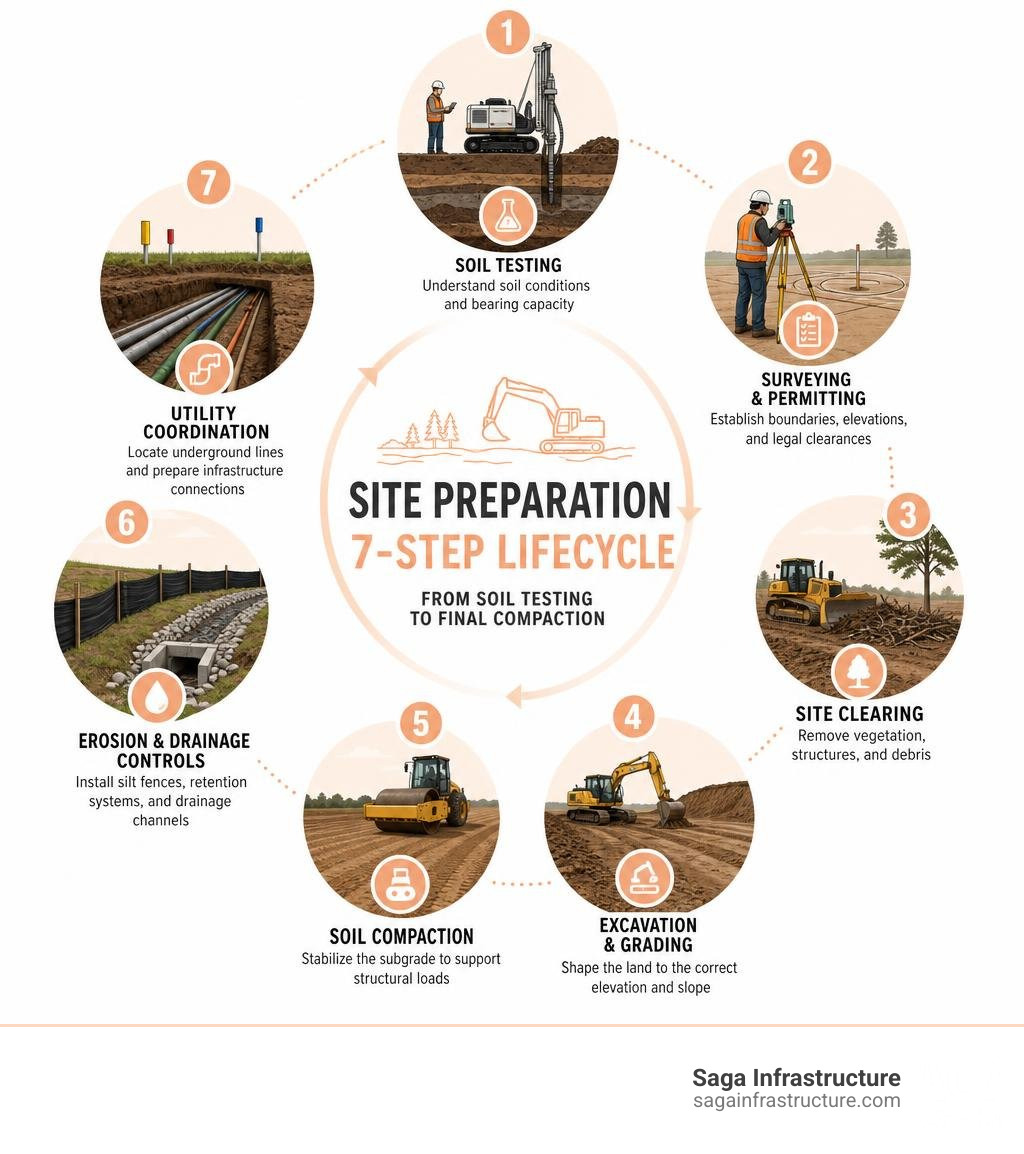
Building construction site preparation vocabulary:
What is Building Construction Site Preparation and Why is it Critical?
Simply put, building construction site preparation is how we get a piece of land ready for a building. It makes the ground safe, strong, and legal. Good site prep can cut building delays by almost one-third. It can also lower the total cost by 15% to 20%.
Why is this so important? First, it keeps the building safe. Testing and packing the soil can prevent many foundation failures. If you skip these steps, your walls can crack and your doors might not close. We explain this in our guide on Why Site Prep for House Construction Is Your Most Important Step.
Second, it saves you money. When you prepare the ground well, you avoid surprise problems that cost a lot to fix. Whether you are building a small shed or a big store, you need to know The Groundwork Essentials for Your New Construction Project.
At Saga Infrastructure, we work with building teams in Florida, Texas, and Arizona. We know how different soils behave. Arizona has dry clay, and Florida has wet sand. Our local teams know how to make sure your site is built to last.
The Essential Steps of Building Construction Site Preparation
Preparing a site is a step-by-step job. You must do the steps in the right order. If you do them out of order, you will waste time and money. For example, you should never dig before you find the buried power lines.
Here is how the steps flow in order:
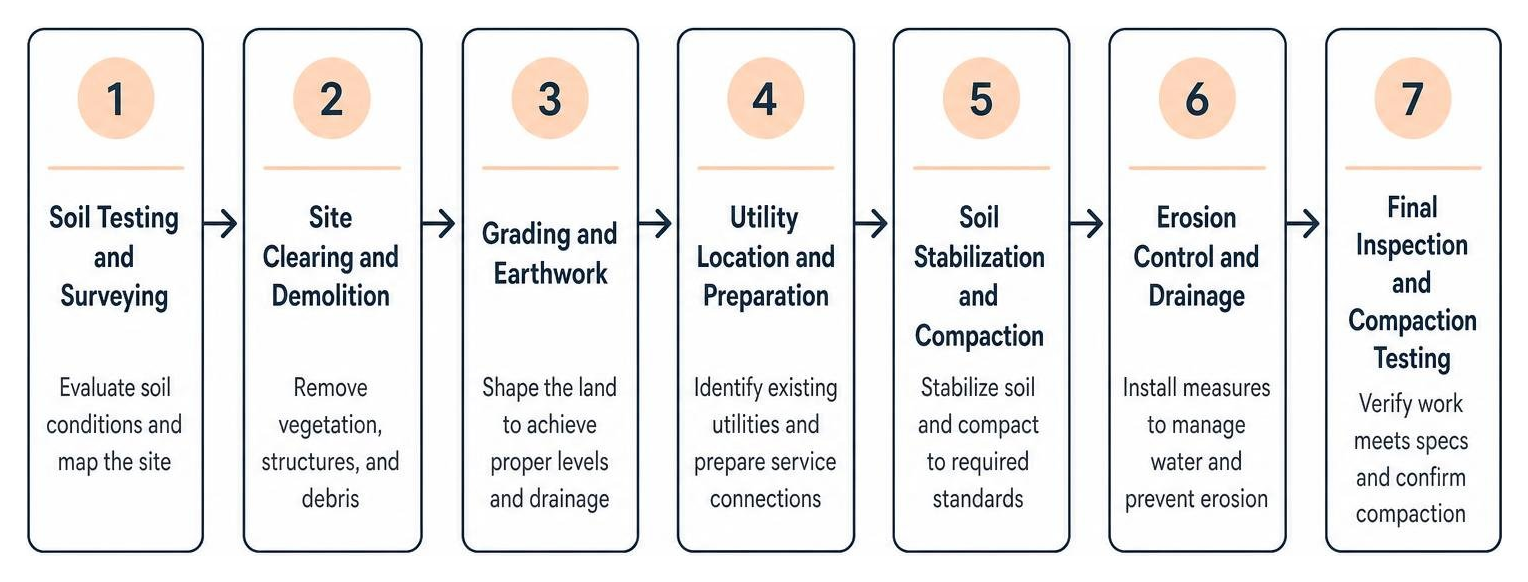
Before we start, we need a clear plan. For big projects, we use our Ready, Set, Build: A Complete Checklist for Commercial Site Preparation to make sure we do not miss anything. Let us look at the main phases.
Phase 1: Geotechnical Soil Testing and Surveying in Building Construction Site Preparation
Every good project starts with facts. Before big trucks arrive, we must test the soil and map the land.
Geotechnical Soil Testing
An engineer will drill into the ground to get dirt samples. They test these samples in a lab to find out:
- Soil Type: Is the dirt made of clay, sand, or gravel?
- Strength: Can the dirt hold up a heavy building?
- Water Level: How close is water to the surface of the ground?
This step is very important. Some soils are strong and safe. Other soils, like wet sand, can cave in easily. If you do not test the soil, you might build the wrong kind of foundation. You can learn more about this in the Basics of Site Work manual.
Site Surveying
At the same time, surveyors use special tools to map the land. They find:
- Property Lines: To make sure you do not build on your neighbor’s land.
- Slopes: To see where the land rises and falls.
- Building Spot: To mark exactly where the building will go.
These tests cost a little bit of money now, but they save you from huge mistakes later. To see how these tests fit into your budget, read How Much Does Site Prep Really Cost?.
Phase 2: Clearing, Excavation, and Grading for Building Construction Site Preparation
Once the tests are done, big machines come in to change the land.
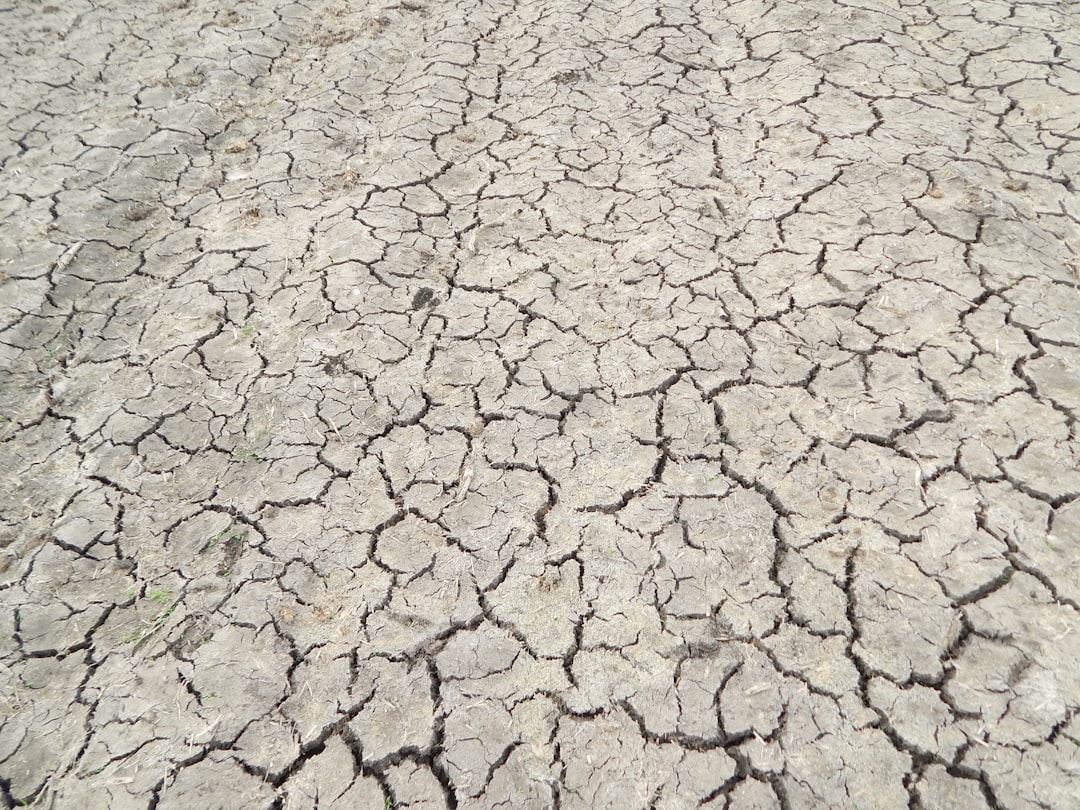
Land Clearing
This step means removing everything in the way. We clear out trees, plants, rocks, and old buildings. We must dig up the roots too. If you leave roots in the ground, they will rot. This leaves empty holes under the dirt, and the ground will sink. You can read about the rules for this in the ARCAT, Inc. Site Clearing Specification .
Excavation and Grading
Next, we move the dirt. We cut down high dirt piles and fill in low spots. This makes a flat pad for the building. Even land that looks flat usually has high and low spots that we must fix.
Soil Compaction
After we move the dirt, we must pack it down. We spread the dirt in thin layers. Then, heavy roller trucks drive over it to squeeze out the air. This makes the dirt very tight and strong.
If we do not pack the dirt, the building will sink and crack. To learn more about how we move dirt, read Everything You Need to Know About Heavy Earthmoving and Site Development.
Managing Environmental Factors, Permits, and Drainage Systems
Site prep is not just about moving dirt. It is also about managing water and following the law. You must plan for these things from the very start.
Erosion Control and Stormwater Management
When you clear plants off the land, the dirt is bare. Rain can easily wash the dirt away. This dirty water can clog drains and hurt local rivers.
To stop this, we use simple tools before we start digging:
- Silt Fences: Fabric fences that let water pass through but stop the dirt.
- Ponds: Temporary pools that catch rainwater so the dirt can settle to the bottom.
- Drain Covers: Guards placed over street drains to keep dirt out.
To learn how to protect your site, read our Step-by-Step Guide to Erosion Control Solutions. You can also read The Essential Guide to Grading and Drainage Systems. To see a checklist for this work, look at the Excavation SOW: Soils, Shoring, Dewatering & Utility Locates Checklist .
Permitting and Utility Coordination
You cannot just start digging because you own the land. You must get permission and talk to utility companies.
- Permits: You need official papers from the city to clear trees and move dirt.
- Utility Lines: Hitting a buried gas or power line is very dangerous. It happens a lot. You must call 811 a few days before you dig. Workers will come and mark where the pipes and wires are hidden.
For a full list of rules and costs, check out the Site Preparation Guide 2026: Steps, Costs & Expert Checklist .
Essential Equipment and Safety Measures on Site
Site prep is big, dangerous work. It takes large machines and strict safety rules to keep everyone safe.
Heavy Machinery Selection
Using the right machines makes the job go much faster. Good machines can make the work run much better. Here are the main tools we use:
- Excavators: Big shovels used to dig deep holes and trenches.
- Bulldozers: Strong tractors with flat blades to push dirt and rocks.
- Graders: Machines with long blades used to make the ground perfectly flat.
- Compactors: Heavy rollers used to pack the dirt down tight.
To see how these machines work together, read From Dirt to Driveway: Mastering Grading and Paving.
Digging in soft dirt is cheap and fast. Digging through hard rock is slow and costs much more.
| Excavation Type | Common Equipment Used | Average Cost Range (per cubic yard) |
|---|---|---|
| Standard Soil Excavation | Wheeled/Tracked Excavators, Backhoes | $5 – $15 |
| Rock Excavation | Heavy Excavators with Rippers, Hydraulic Breakers | $50 – $200 |
Site Safety and Shoring Protocols
Safety is our number one rule. Digging deep holes is risky, so we follow strict safety laws:
- Trench Safety: If a ditch is deeper than 5 feet, we must use metal boxes or wood braces to keep the walls from falling in.
- Soil Checks: A trained person must check the dirt every day to make sure it is safe.
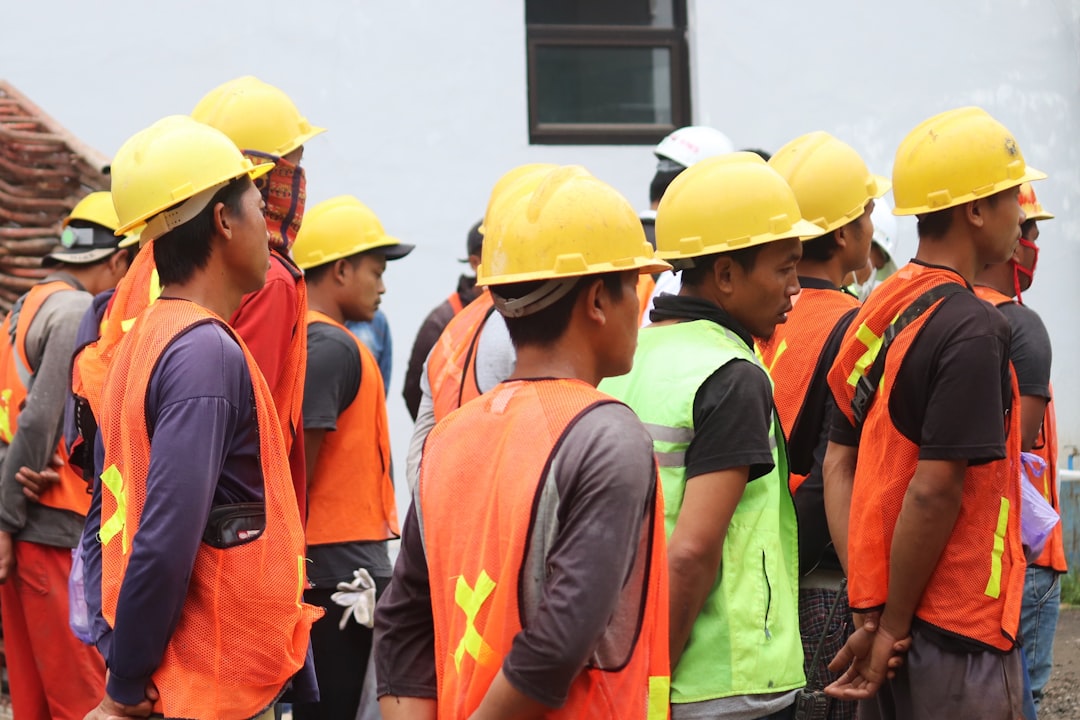
- Safety Gear: Everyone on the site must wear hard hats, bright vests, and steel-toed boots.
To learn more about how we keep sites safe and flat, read The Straight Dirt on Land Grading and Leveling.
Common Challenges in Site Preparation and How to Mitigate Them
Even with a good plan, the ground can surprise you. You must know how to handle these surprises so you do not run out of money. To see how these problems affect your costs, read How Much Does Land Grading Cost?.
Handling Unsuitable Soils and High Water Tables
In Florida, you will often find water close to the surface. In Texas and Arizona, the clay soil can swell up when wet and shrink when dry.
- Soil Mixing: If the dirt is too weak, we can mix in cement or lime to make it strong.
- Water Pumps: If water fills the hole we dug, we use pumps to suck the water out so we can work.
- New Dirt: If the native dirt is too bad, we dig it up and bring in good, clean dirt from somewhere else.
Managing Unexpected Underground Obstacles
Sometimes when you dig, you find old concrete, forgotten pipes, or giant rocks.
- Planning Meetings: We meet with utility workers and engineers before we dig to map out any hidden dangers.
- Extra Budget: We always keep extra money in the budget. This way, if we find a giant rock, we can pay to remove it without stopping the project.
Frequently Asked Questions About Preparing a Construction Site
How long does the site preparation process typically take?
For a flat yard with only a few trees, it takes 2 to 3 weeks. For a big commercial site with lots of rocks, water, and pipes, it can take 6 to 8 weeks or more.
Why is soil testing so important before building?
Soil testing tells us if the ground can hold up your building. If you do not test the soil, the building could sink and crack. Fixing a cracked building can cost up to $200,000.
Do I need permits for land clearing and grading?
Yes. Most cities make you get permits before you cut down trees, move dirt, or change how water flows. If you build without permits, the city can fine you and stop your project.
Conclusion
A building is only as strong as the ground under it. Rushing through building construction site preparation to save money is a bad idea. It is a risk that is not worth taking.
At Saga Infrastructure, we help local building companies grow. We partner with great regional teams, like Foshee Construction in Florida. We give them the money and safety tools they need while keeping their local name and team.
When you work with us, you get a local team you can trust, backed by a strong national network.
If you want to grow your building business, or if you need a partner for your next project, let us build the future together.