
The Essential Guide to Grading and Drainage Systems
Why Hiring the Right Grading & Excavation Contractor Is Important
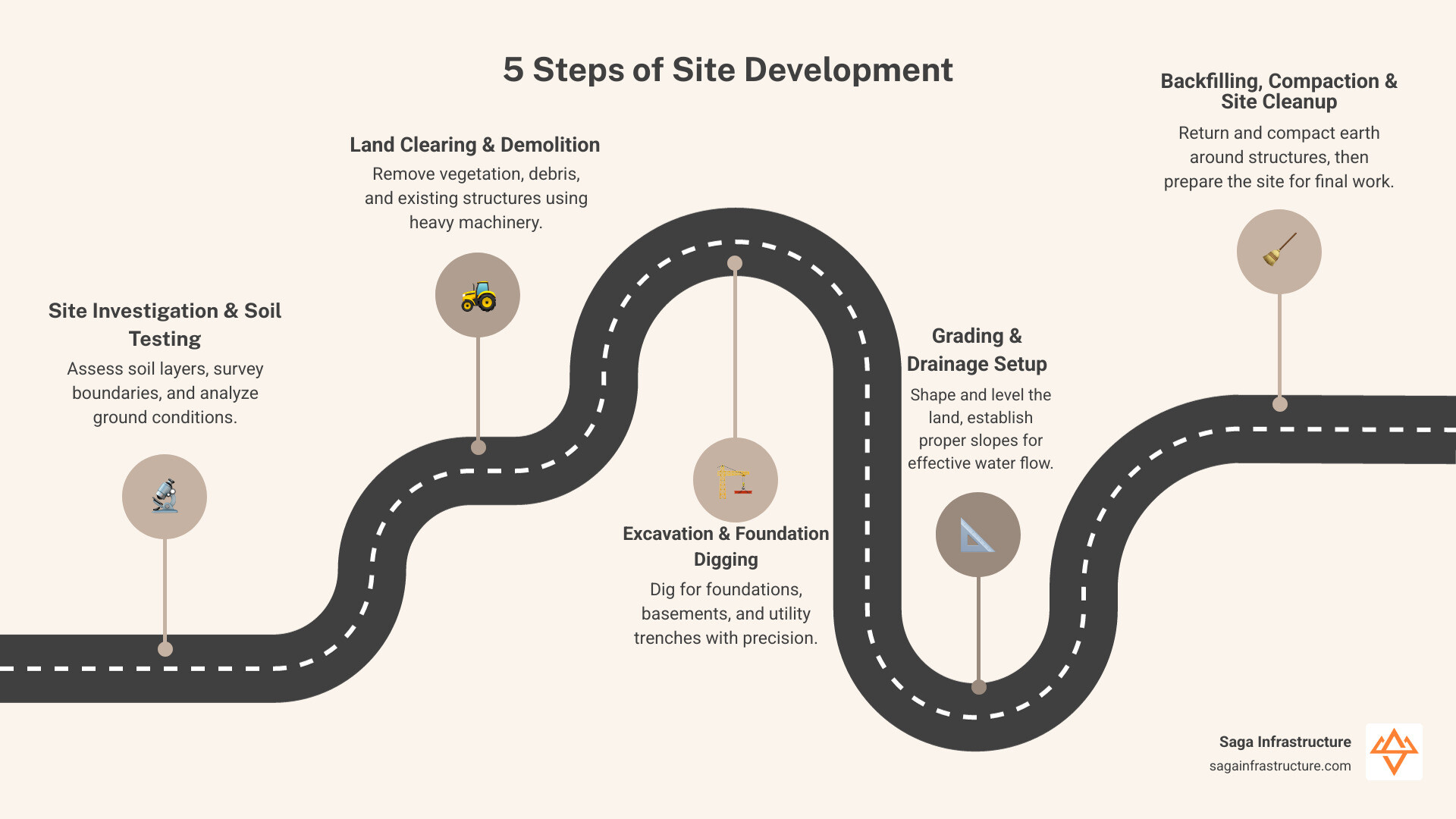
A grading & excavation contractor is a worker who gets the land ready for building. They move dirt, shape the ground, and dig holes for foundations. Here is what they do:
- Cleaning the land — taking away trash, plants, and old buildings
- Digging — making holes for the bottom of the house and for pipes
- Leveling — making the ground flat so water flows away
- Filling and packing — putting dirt back and pressing it down tight
- Water control — making sure rain does not wash the dirt away
Every building starts in the dirt. Before you build walls, the ground must be ready. That is the job of a grading and excavation contractor.
If they do a good job, the rest of the building goes well. If they do a bad job, the house might crack or flood. Experts who have worked for 40 years say that you must not skip this step.
I am Don Larsen, CEO of Saga Infrastructure. I have seen how important this work is for every building. In this article, I will tell you about the machines, the costs, and how to pick the right helper.
What Does a Grading & Excavation Contractor Do?
Building starts with “heavy lifting.” A grading & excavation contractor does more than just play in the dirt. They make sure the ground is strong enough to hold a heavy building. They clear the land, dig holes, and make paths for water and power lines.
Excavation vs. Grading
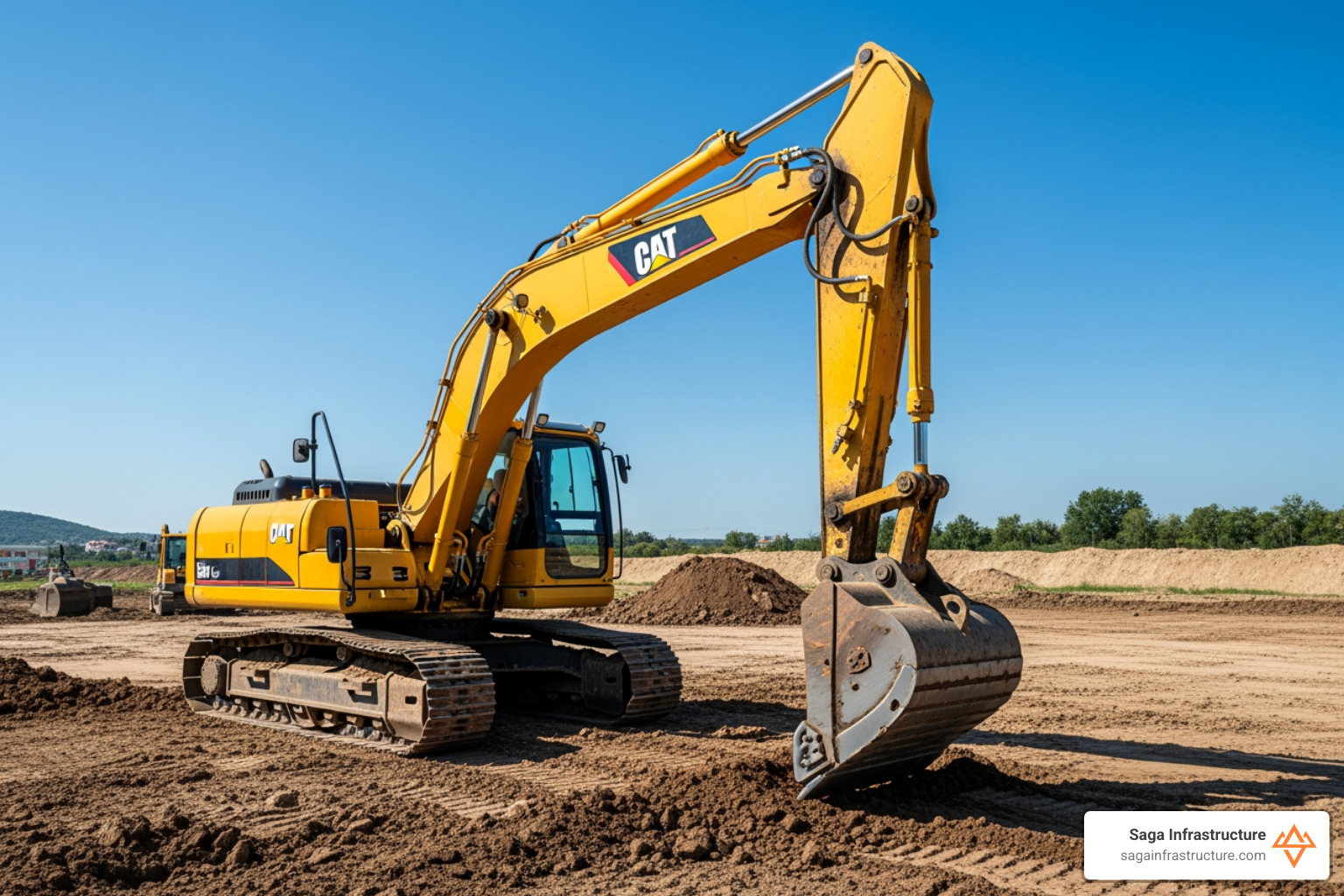
These two words mean different things. Excavation is for digging out. Grading is for shaping.
| Feature | Excavation | Grading |
|---|---|---|
| Goal | Taking dirt away to make a hole. | Making the ground flat or sloped. |
| Tasks | Digging for foundations or pools. | Smoothing dirt for water flow. |
| Tools | Big diggers and backhoes. | Bulldozers and levels. |
| Result | A hole for a building or pipe. | A flat or angled surface. |
Why Good Work Matters
If you rush this work, the building can sink. This makes the walls crack. Experts know how to check the soil. They know if the ground is sandy or has sticky clay. They also make sure utility pipes are put in the right way so they do not break later.
Steps to Get the Land Ready
Before the big machines start, we check the land. We test the soil to see if it can hold a building. We also look for water under the ground. This is very important in places like Florida or Texas.
Managing Water and Dirt
Water can ruin a building site. It can wash the dirt away. We use fences to keep dirt in place. We also dig small ditches to lead rain away from the building.
We often work with experts like Foshee Construction. They are great at moving dirt and water. Good drainage keeps your site safe and dry.
Planning and Permits
You cannot just start digging. You need a plan. This includes:
- Marking Lines: We call to find gas and power lines under the ground. We do not want to hit them!
- Permits: You need permission from the city to dig. This keeps everyone safe.
- Blueprints: We follow a map to make sure we move the dirt to the right spot.
It is best to find good construction companies that know how to handle these rules.
Tools Used by a Grading & Excavation Contractor
Moving dirt uses high-tech tools today. We use lasers to be very exact. A laser sends a beam across the land. The bulldozer has a sensor that sees the beam. This helps the machine make the ground perfectly flat.
Homes vs. Big Buildings
The work changes based on what we are building.
- Homes: We dig for house foundations or pools. We have to work in small spaces. Projects like Skyline at Westfall show how we make the land look good and stay dry.
- Big Buildings: We move a lot of dirt for parking lots and big warehouses. This takes many big machines.
Other Special Jobs
Sometimes we do other jobs too:
- Septic Systems: In the country, we dig holes for waste tanks.
- Retaining Walls: If the land is on a hill, we build walls to hold the dirt back. This stops the hill from sliding. You can see this in the Mirror Lake project.
Solving Problems with Dirt
Building things does not always go as planned. Sometimes we find a huge rock or an old pipe hidden in the dirt.
To stay safe, we use supports to keep the walls of a hole from falling in. We also use pumps to get rid of water if it rains too much.
Staying Safe
Safety is the most important thing. Dirt is very heavy. We train our teams to:
- Stay Safe in Holes: Never go into a deep hole without protection.
- Check Machines: Look at the brakes and parts every day.
- Watch for Danger: Look for power lines before starting.
Putting Dirt Back and Cleaning Up
After the building is started, we put the dirt back. This is called backfilling. We put it back in small layers and press it down. If we just dump it all at once, the ground will sink later. Then, we clean up the mess so the next workers can start.
Common Questions
How much does it cost?
The price depends on a few things:
- Size: Big jobs take more time and fuel.
- Soil: Digging in sand is easy. Digging in rock is hard and costs more.
- Machines: Special tools cost more to use.
- Location: If the site is far away, it costs more to bring the machines.
Do I need a permit?
Yes, almost always. Even for small jobs, you need permission. This makes sure you do not hit pipes or cause flooding.
How do I pick a good contractor?
Look for these three things:
- Experience: Have they been working for a long time?
- Good Reviews: Do other people say they did a good job?
- Insurance: Make sure they are insured so you do not have to pay if there is an accident.
Conclusion: A Strong Start
At Saga Infrastructure, we want to build things that last. We work with local companies that have been doing this for a long time in Florida, Texas, and Arizona. We help these small businesses grow.
Your project needs a strong start. Picking a good grading & excavation contractor is the most important step. They make sure the ground is ready for your dream.
If you own a business and want to grow with us, let’s talk. Together, we can build the future, one site at a time.
